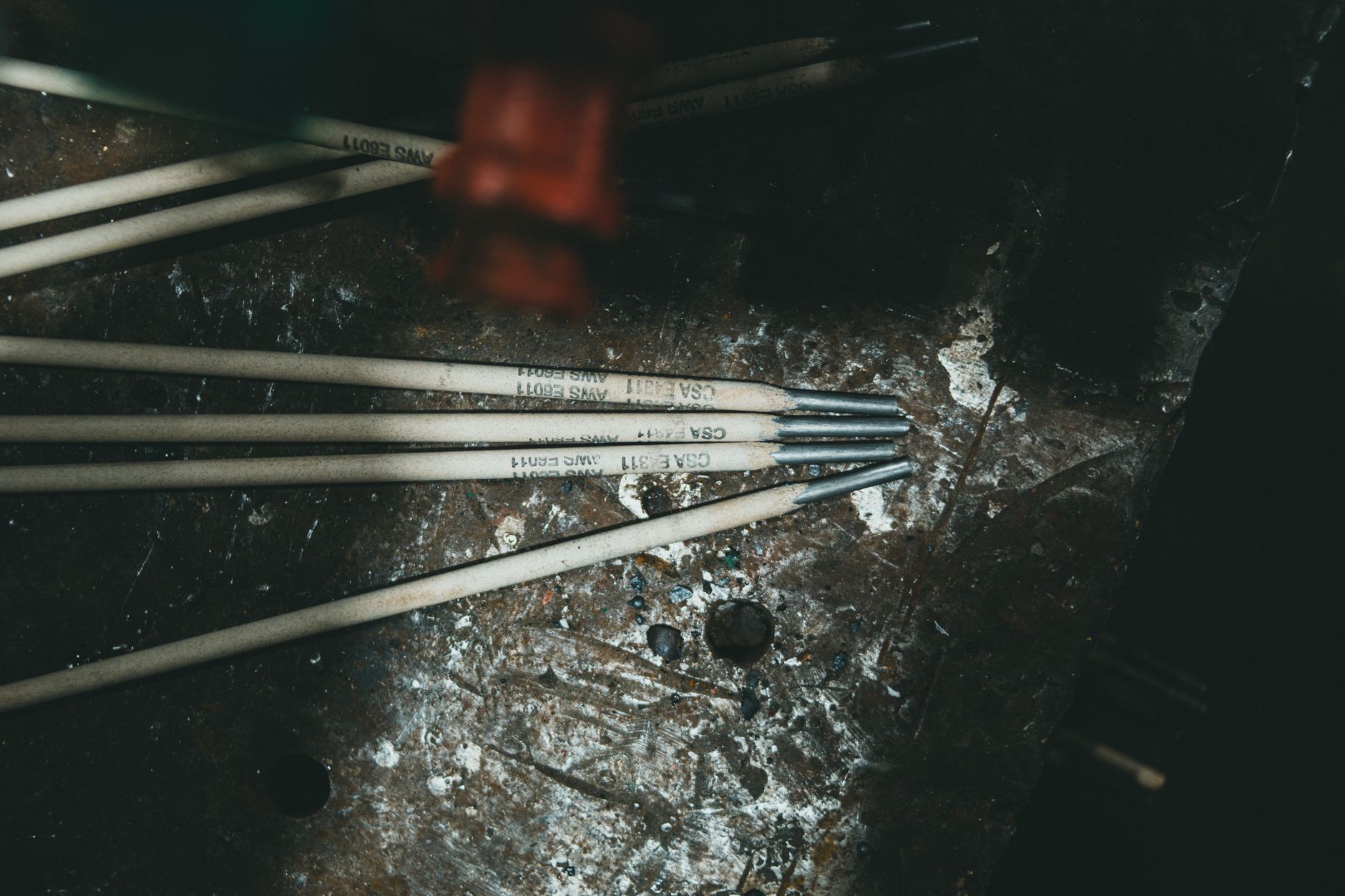
India's rapid infrastructure development, from high-speed railway networks to sprawling urban metro lines and critical bridges, hinges on the integrity of every welded joint. For welders, fabricators, contractors, and factory engineers, understanding and strictly adhering to welding standards is not just a regulatory requirement; it's a commitment to safety, longevity, and national progress. At Prakash Electrodes, we’ve seen firsthand how quality electrodes and adherence to standards lay the groundwork for reliable infrastructure.
Why Welding Standards Are Non-Negotiable
In projects of national significance, where millions depend on structural integrity, weld failures are simply not an option. Standards provide a common language and a benchmark for quality, ensuring consistency across diverse projects and workforces. They dictate everything from material selection and welding procedures to welder qualifications and inspection protocols, mitigating risks of fatigue, corrosion, and catastrophic failure. Adherence ensures that our structures can withstand the test of time and operational stress.
Decoding Key Indian Welding Standards
The backbone of welding quality in India rests on various Indian Standards (IS codes). For covered electrodes, IS 814:2004 is paramount, detailing classification and performance requirements. Understanding this standard helps you select the right electrode for specific applications, ensuring metallurgical compatibility and mechanical properties. Beyond electrodes, other crucial standards govern materials (e.g., IS 2062 for structural steel), welding procedures, and testing. For railway projects, the Research Designs and Standards Organisation (RDSO) issues stringent specifications and approvals that often supersede general IS codes, ensuring specialized requirements for tracks, rolling stock, and railway bridges are met.
Key areas where standards provide critical guidance include:
- Material Selection: Ensuring base metals and filler metals meet specified grades and properties.
- Welding Procedure Specification (WPS): Detailed instructions for consistent, repeatable welds.
- Welder Performance Qualification (WPQ): Certifying welders possess the skills for specific welding tasks.
- Quality Control and Non-Destructive Testing (NDT): Methods like radiographic, ultrasonic, or dye penetrant testing to verify weld integrity.
- Post-Weld Heat Treatment: Procedures to relieve stress and improve mechanical properties.
Standards in Action: Infrastructure Projects
From the intricate steelwork of high-rise buildings and power plants to the massive girders of river bridges and metro viaducts, every weld is scrutinized. Project engineers and contractors must ensure their welding programs comply with relevant IS codes and project-specific requirements. This involves meticulous documentation, regular audits, and the use of approved consumables. In regions like Kota, where industrial activity is robust, local fabricators often leverage our long-standing expertise in meeting these stringent demands.
The Critical Role in Indian Railways
Indian Railways, a lifeline of the nation, demands the highest welding standards. Track welding—whether Thermit welding for in-situ rail joints or Flash Butt welding for long welded rails—is critical for smooth, safe train operations. Welds on rolling stock (locomotives, coaches, wagons) must withstand constant vibration and fatigue. RDSO specifications are rigorous, requiring specialized electrodes and advanced welding techniques. Ensuring these welds meet performance criteria under dynamic loads is paramount for preventing derailments and ensuring passenger safety.
“In critical welds, you're not just joining steel; you're joining the fate of the project. No shortcuts.”
At Prakash Electrodes, we understand the immense responsibility that comes with supplying welding consumables for India's foundational projects. Our WELDARC and HITKARI GOLD brands are trusted for their consistent quality and adherence to IS 814:2004, providing the reliability crucial for infrastructure and railway applications. Choosing the right electrode is the first step towards a weld that lasts a lifetime and beyond, contributing to a stronger, safer India.